
Blog
Pharmaceutical Water System Cost: What Affects Price?
Introduction
One of the most common questions buyers ask when planning a pharmaceutical water project is: "Why do quotations for pharmaceutical water systems vary so much?"
It is not unusual to receive quotes that differ by tens of thousands of dollars for systems with seemingly similar capacities. In reality, a pharmaceutical water system is not a standardized product.
The final cost depends on numerous technical and engineering factors, including water quality requirements, process design, material selection, instrumentation brands, automation level, validation requirements, and utility conditions.
Water Quality Requirements Directly Affect System Cost
The most important factor influencing system price is the required final water quality. Different applications require different purity levels.
| Water Quality Requirement | Typical Configuration | Cost Impact |
|---|---|---|
| Basic Purified Water | Single Pass RO | Lower investment |
| High-Purity Water | Double Pass RO | Medium investment |
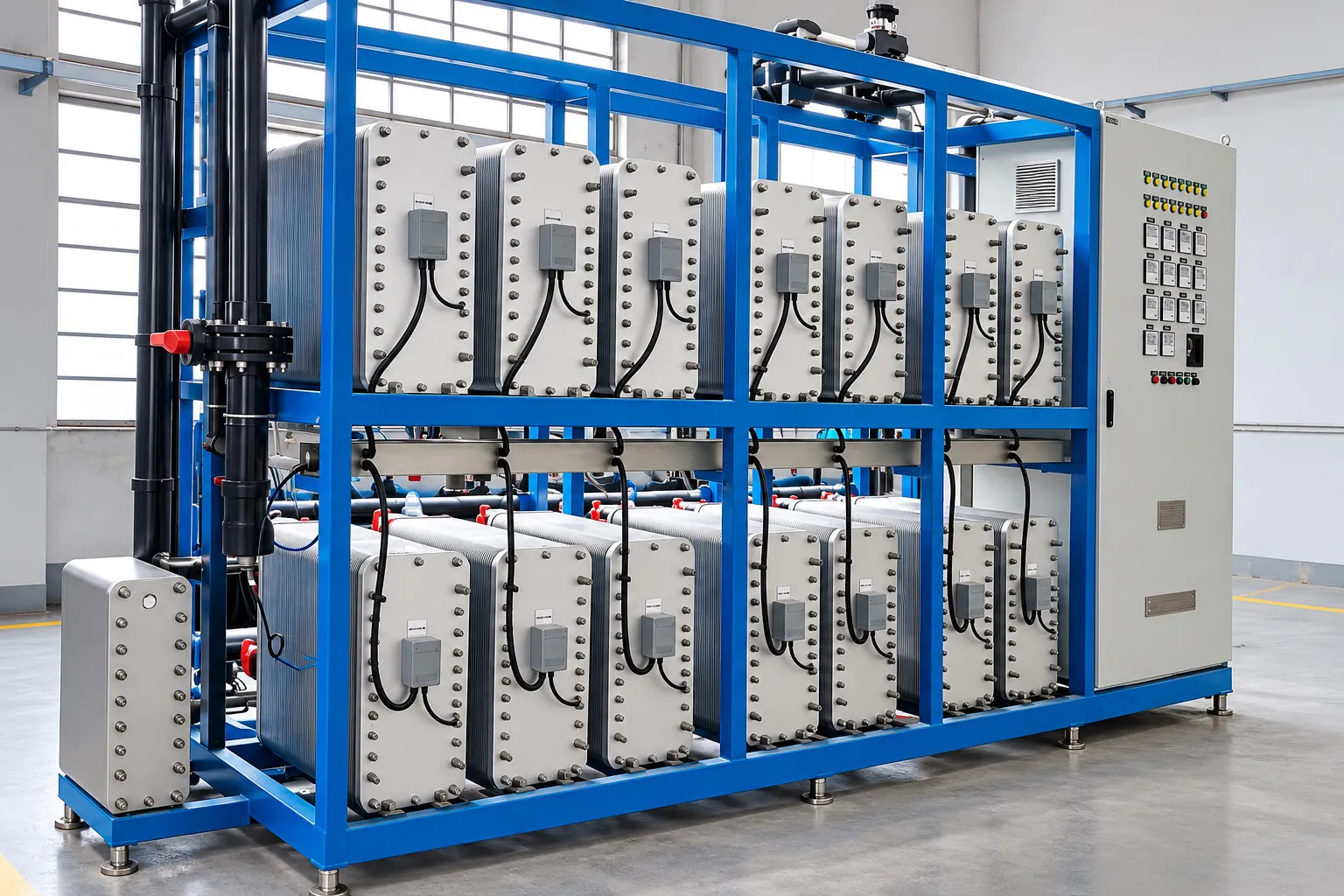
| Very High Purity Water | RO + EDI | Higher investment |
| Critical Applications | RO + EDI + UV + Final Filtration | Highest investment |
A system designed to consistently achieve lower conductivity, lower TOC levels, and tighter microbial control requires more equipment, more monitoring points, and higher-grade components.
Process Configuration Has a Major Impact on Price
Two systems with the same production capacity can have significantly different costs depending on the treatment process selected.
Basic Configuration
Raw Water → Pretreatment → Single Pass RO
- Lower investment
- Simple operation
- Smaller footprint
Enhanced Configuration
Raw Water → Pretreatment → Double Pass RO → EDI → UV → Final Filter
- Higher purity
- Better stability
- Lower conductivity
- Improved microbial control
Typical Process Flow Comparison
Instrumentation Brand Selection Influences Cost
Instrumentation is often overlooked during quotation comparisons. Different brands may provide similar functions but vary greatly in price.
| Instrument | Function | Price Influence |
|---|---|---|
| Conductivity Transmitter | Online water quality monitoring | High |
| Flow Meter | Flow rate measurement | Medium |
| Pressure Transmitter | System pressure control | Medium |
| TOC Analyzer | Organic carbon monitoring | Very High |
| Level Transmitter | Tank level control | Medium |
Premium brands such as Endress+Hauser, Emerson, Yokogawa, and Mettler Toledo can increase project cost but provide better accuracy, stability, calibration support, and long-term reliability.
Material Selection: FRP vs Stainless Steel
Material selection is another major factor affecting system price.
FRP Material
FRP is commonly used for sand filters, activated carbon filters, and water softeners. It offers lower cost, corrosion resistance, and lightweight construction.
Stainless Steel 304
SS304 provides better durability and appearance and is suitable for many industrial applications.
Stainless Steel 316L
SS316L offers superior corrosion resistance, excellent hygienic performance, better weldability, and easier cleaning and sanitization.
| Material | Typical Application | Cost Level |
|---|---|---|
| FRP | Pretreatment filters and softeners | Low |
| UPVC / CPVC | Basic piping systems | Low to Medium |
| SS304 | General stainless steel parts | Medium |
| SS316L | Storage tanks, distribution loops, sanitary piping | High |
Piping Material Selection Matters
The distribution system often represents a significant portion of the total project investment. Common piping materials include UPVC, CPVC, stainless steel 304, and stainless steel 316L.
For hygienic water systems, SS316L is often preferred because of its corrosion resistance, long service life, and better sanitary performance.
Automation Level Can Change the Budget Significantly
| Automation Level | Features | Cost Impact |
|---|---|---|
| Manual Operation | Basic controls and manual valves | Low |
| PLC + Touch Screen | Automatic operation, alarms, data recording | Medium to High |
| SCADA Monitoring | Centralized monitoring, trends, audit trails, remote access | High |
Sanitization Method Affects System Design
Ozone Sanitization
Ozone sanitization provides effective microbial control and lower operating cost. It usually requires an ozone generator, ozone destruction unit, and monitoring instruments.
Hot Water Sanitization
Hot water sanitization is chemical-free and widely accepted, but it requires heat exchangers, high-temperature circulation pumps, and additional control systems.
Validation and Documentation Requirements
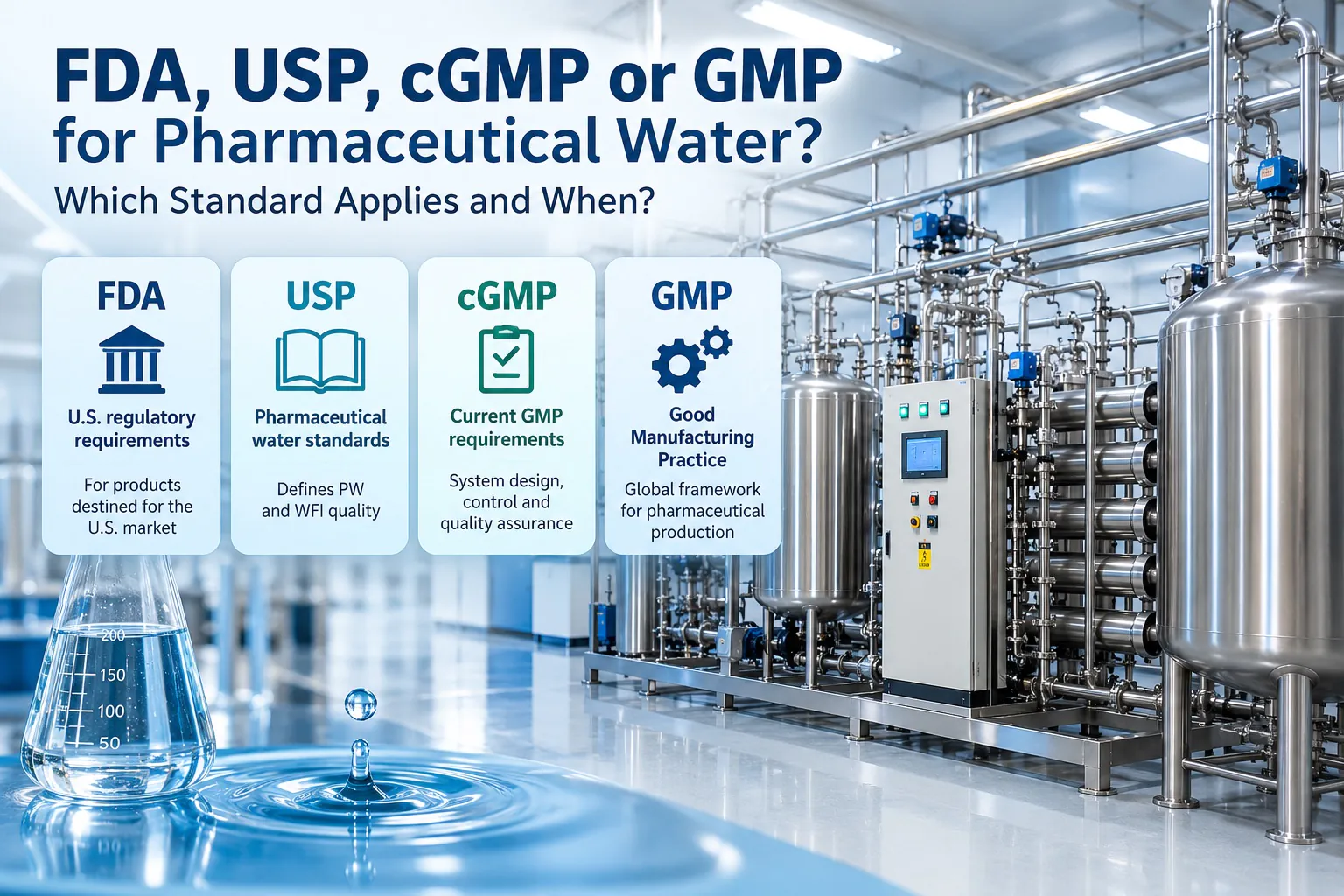
Many projects require comprehensive engineering documentation, including URS, DQ, IQ, OQ, PQ, FAT reports, SAT reports, material certificates, calibration certificates, and welding records.
Engineering documentation requires substantial engineering labor and can contribute significantly to overall project cost.
Why Similar Systems Can Have Very Different Prices
Two suppliers may quote systems with the same capacity, but the actual scope can be completely different.
| Low-Cost Proposal May Include | Higher-Spec Proposal May Include |
|---|---|
| Single-pass RO | Double-pass RO |
| Local instruments | Premium instrumentation |
| FRP vessels | SS316L construction |
| Basic controls | Automated PLC control |
| Limited documents | Complete validation package |
Although both systems produce purified water, their performance, reliability, service life, and compliance capabilities may differ substantially.
How to Evaluate Value Instead of Just Price
- Water quality performance
- Process configuration
- Instrument brands
- Material specifications
- Automation level
- Documentation package
- Maintenance requirements
- Long-term operating costs
The lowest purchase price is not always the lowest lifecycle cost. A properly engineered system can reduce maintenance, improve reliability, and provide better long-term value.
Why Choose CHONGYANG WATER?
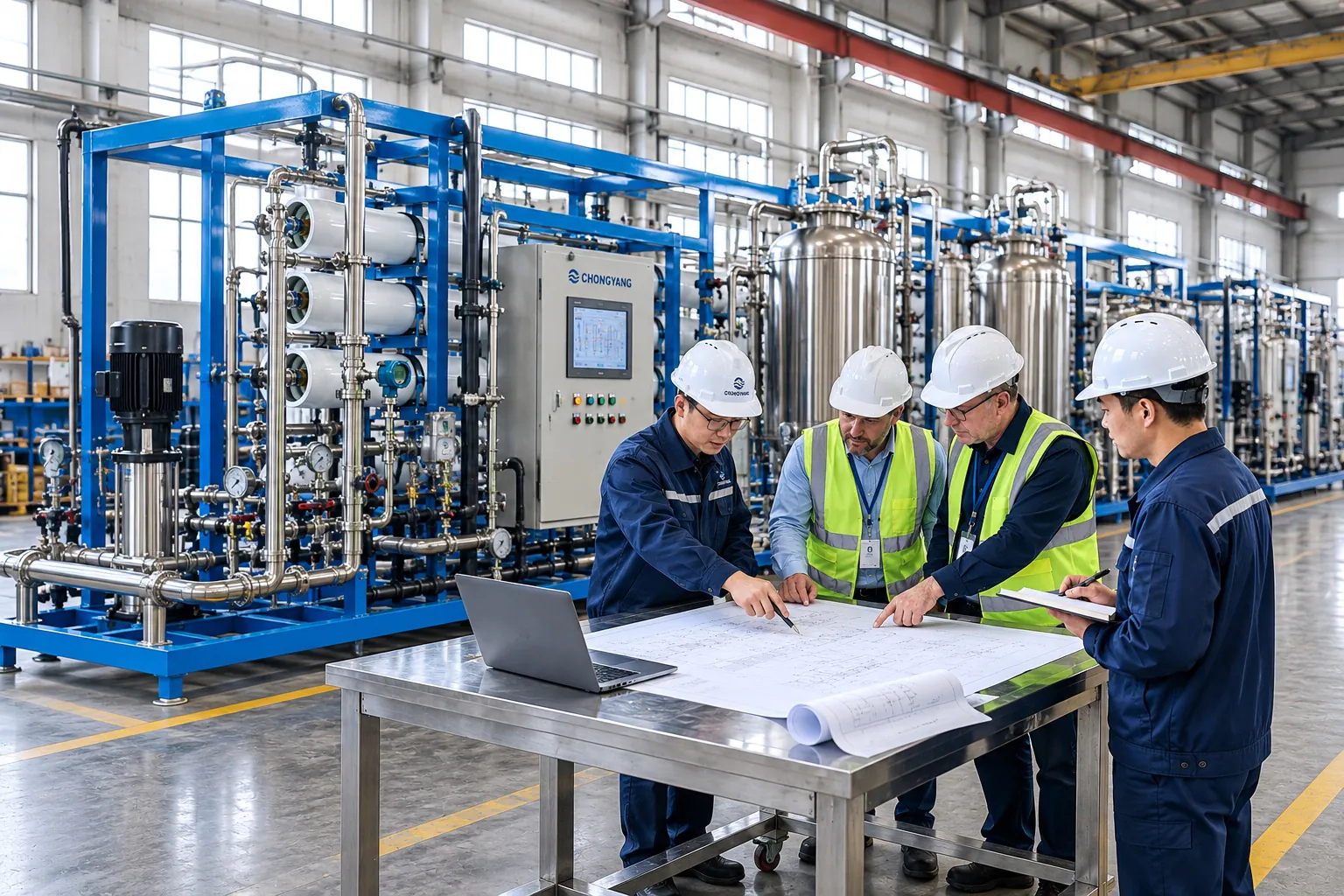
CHONGYANG WATER specializes in customized pharmaceutical water systems designed according to actual project requirements rather than standardized templates.
- Single Pass RO Systems
- Double Pass RO Systems
- RO + EDI Systems
- Purified Water Storage & Distribution Systems
- SS316L Hygienic Tanks
- Automated PLC Control Systems
- UV & Ozone Sanitization Solutions
- Validation Documentation Support
Conclusion
The cost of a pharmaceutical water system depends on much more than production capacity. Water quality requirements, process configuration, instrumentation brands, material selection, automation level, sanitization method, and validation requirements all play important roles in determining the final project price.
If you are planning a new pharmaceutical water project, CHONGYANG WATER can provide a customized technical proposal and budget estimate based on your specific requirements.
Contact UsMore Posts