
Blog
Why Does Stainless Steel Rust? The Importance of Feedwater Quality in Water Treatment
Introduction
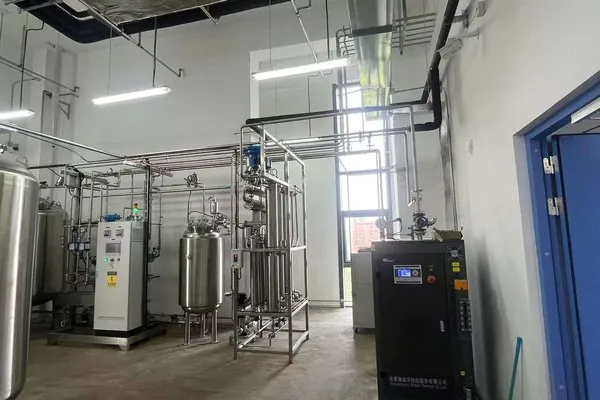
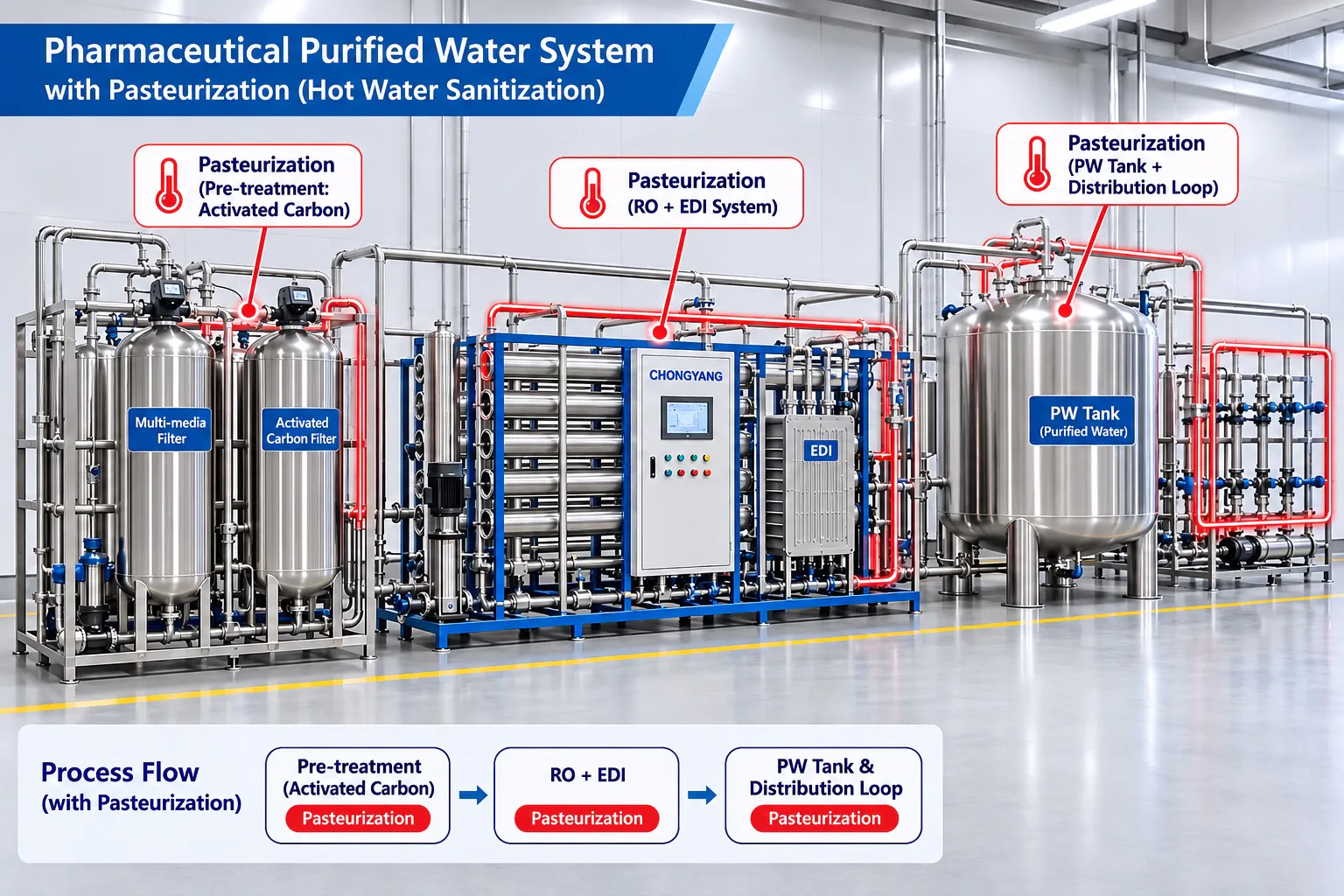
Stainless steel is widely used in pharmaceutical purified water systems , reverse osmosis (RO) systems, and industrial water treatment equipment because of its corrosion resistance, hygienic properties, and durability.
However, even SS316L sanitary stainless steel can develop rust, discoloration, or localized corrosion under certain water conditions.
Why does this happen? The answer often lies in feedwater quality.
Understanding raw water characteristics is essential for selecting suitable equipment materials, designing pretreatment processes, and protecting water treatment systems.
1. Why Can Sanitary Stainless Steel Still Rust?
Stainless steel contains chromium, which forms a protective passive oxide layer on its surface. However, aggressive water chemistry, deposits, and improper fabrication can damage this protective layer.
Several feedwater parameters deserve particular attention:
| Water Quality Parameter | Potential Impact |
|---|---|
| Chloride (Cl⁻) | Can cause pitting and crevice corrosion, particularly at elevated temperatures |
| Free Residual Chlorine | May increase corrosion risk under certain concentrations, temperatures, and exposure conditions |
| Magnesium (Mg²⁺) | Contributes to water hardness and scaling, rather than directly causing stainless steel corrosion |
| Iron (Fe²⁺ / Fe³⁺) | Can form rust-colored deposits and contribute to under-deposit corrosion |
| Manganese (Mn²⁺) | Can form deposits and contribute to fouling and localized corrosion conditions |
| pH | Strongly acidic or otherwise aggressive conditions may reduce corrosion resistance |
Important: SS316L offers better chloride corrosion resistance than SS304, but it is not completely corrosion-proof.
Welding quality, surface finish, passivation, stagnant water, and operating temperature also influence corrosion performance.
2. Why Do Groundwater Sources Require Special Attention?
Groundwater frequently contains dissolved minerals, hardness, iron, and manganese. Their concentrations vary significantly depending on local geological conditions.
Iron and manganese are particularly important when designing groundwater treatment systems.
Dissolved ferrous iron (Fe²⁺) can oxidize into ferric iron (Fe³⁺), forming reddish-brown precipitates. Manganese can also oxidize and form dark deposits.
These substances may cause:
- Staining and deposits on stainless steel surfaces
- Fouling of filters, RO membranes, and pipelines
- Increased differential pressure and cleaning frequency
- Conditions that encourage under-deposit corrosion
- Reduced treatment efficiency and equipment reliability
Rust-colored deposits do not always mean the stainless steel itself is corroding. They may originate from iron present in the feedwater.
Therefore, groundwater should be tested for total iron, dissolved iron, manganese, hardness, pH, and other relevant contaminants before equipment selection.
3. Why Is a Raw Water Analysis Report Essential?
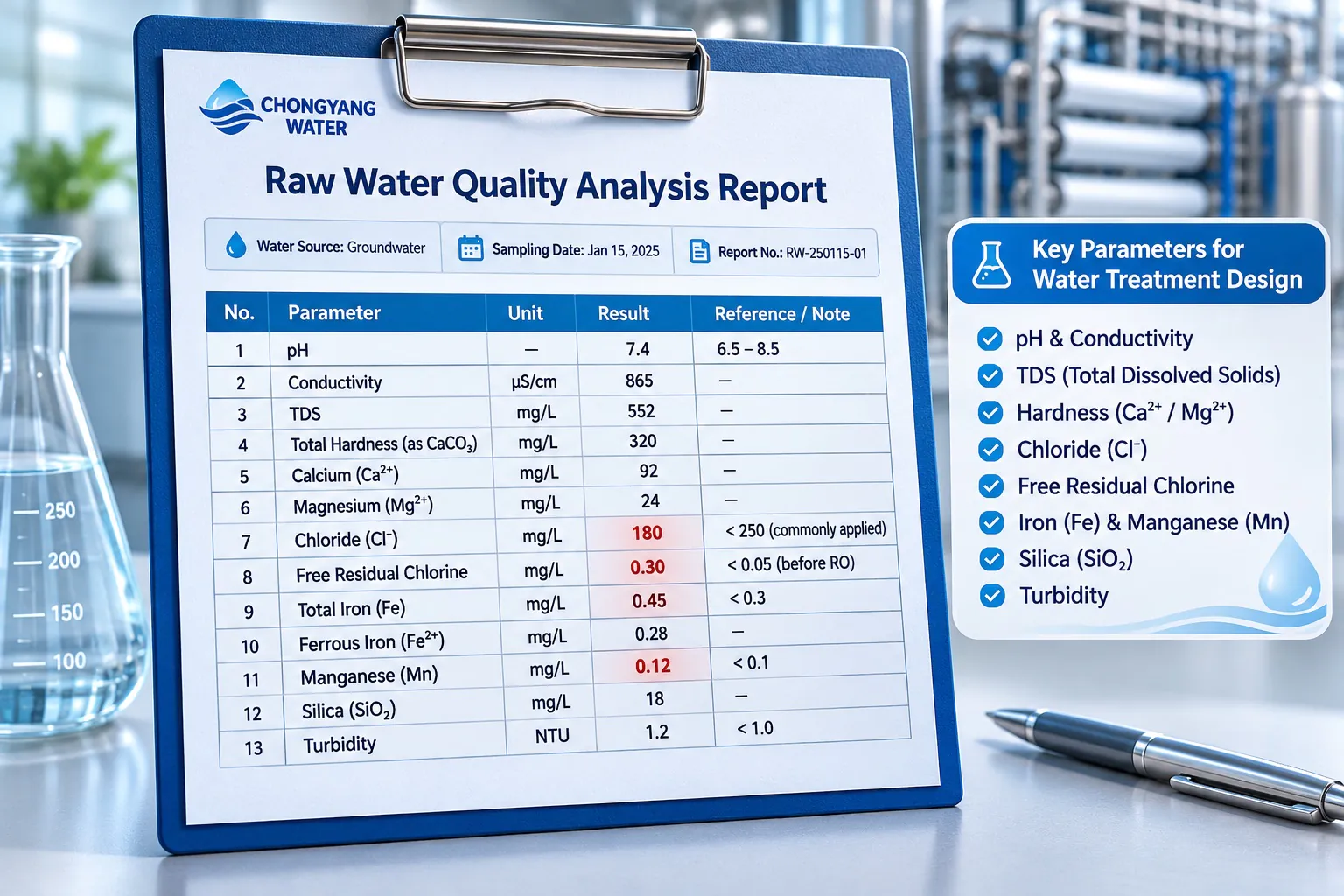
A reliable raw water analysis report is the foundation of water treatment system design.
Without accurate feedwater data, manufacturers cannot properly determine pretreatment requirements, RO membrane selection, chemical dosing, recovery rate, or material compatibility.
Key parameters typically include:
- pH, conductivity, and total dissolved solids (TDS)
- Total hardness, calcium, and magnesium
- Chloride, sulfate, and alkalinity
- Iron and manganese
- Free chlorine or other disinfectant residuals
- Silica, turbidity, and suspended solids
- Microbiological indicators, where applicable
For pharmaceutical water treatment, feedwater quality also affects microbial control strategies and the design of downstream purification stages.
A complete analysis helps reduce membrane fouling, corrosion risks, unexpected maintenance, and operating costs.
4. Different Feedwater Requires Different Treatment Processes
There is no single water treatment process suitable for every raw water source.
| Feedwater Source | Typical Treatment Considerations |
|---|---|
| Municipal Tap Water | Multimedia filtration, activated carbon or other dechlorination, softening, RO |
| Groundwater | Iron and manganese removal, filtration, softening, RO |
| High-Hardness Water | Softening or antiscalant dosing before RO |
| High-TDS Brackish Water | Suitable pretreatment, brackish water RO, scaling control |
| Seawater | Seawater pretreatment, high-pressure SWRO, energy recovery where appropriate |
Typical Water Treatment Process Selection
The following examples illustrate how different feedwater conditions influence pretreatment design.
Water
Filtration
Carbon
Softener
System
Removal
Softener
System
Water
Pretreatment
Control
Water RO
Intake
Pretreatment
SWRO
Post-treatment
On mobile devices, swipe horizontally to view the complete process flow. These are illustrative configurations; final process selection depends on feedwater analysis.
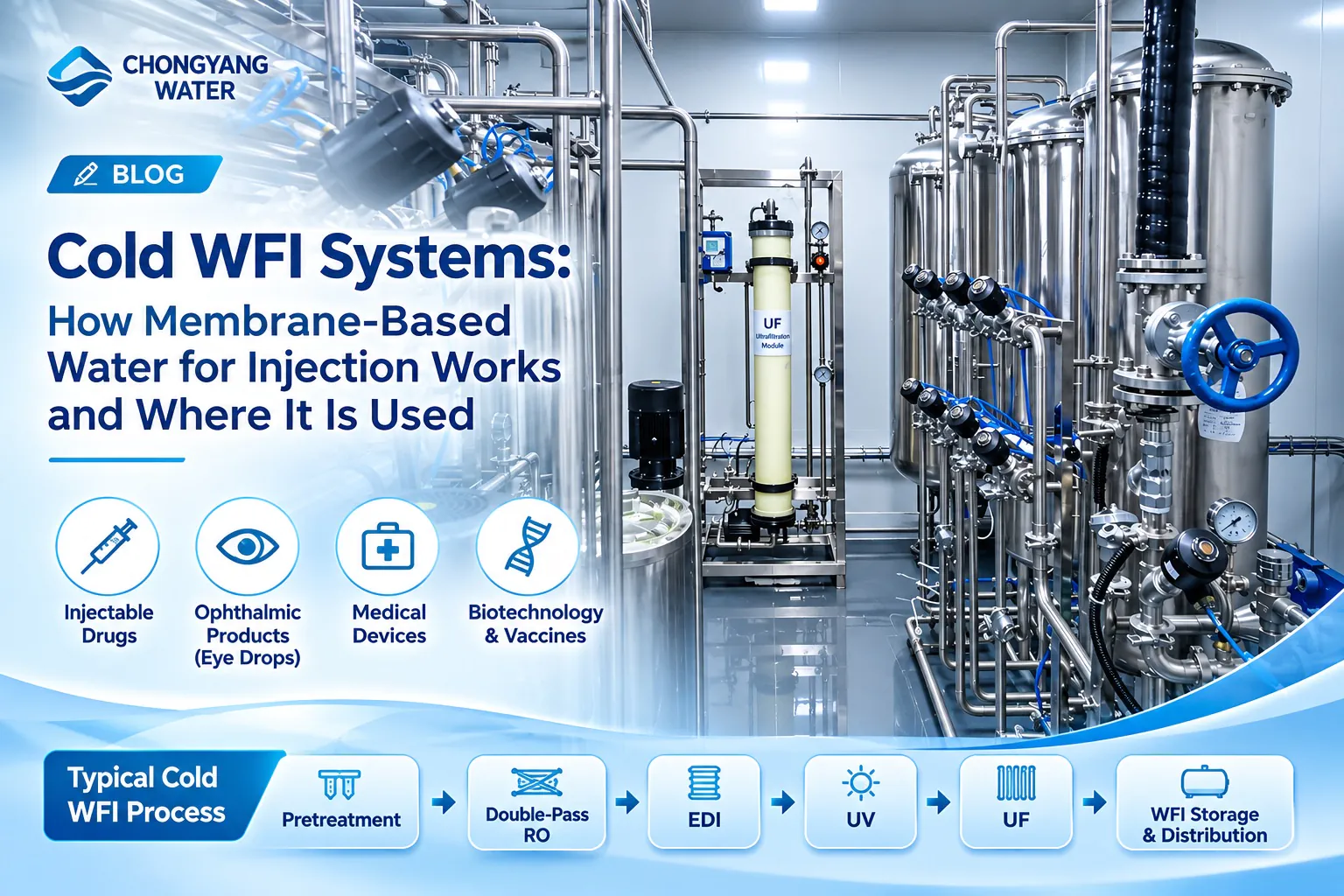
For a pharmaceutical purified water system, additional purification stages such as double-pass RO, EDI, UV treatment, and sanitary storage and distribution may be required depending on the target water quality and system design.
Engineering Principle: The correct process must be selected based on actual feedwater analysis—not simply equipment capacity.
5. How Can Stainless Steel Corrosion Be Prevented?
Effective corrosion prevention starts before equipment manufacturing.
Manufacturers should evaluate feedwater chemistry, select appropriate materials, and incorporate suitable pretreatment.
For groundwater containing elevated iron or manganese, dedicated removal processes may be necessary before RO treatment.
Proper welding, passivation, drainage, cleaning, and operating procedures are also important for maintaining stainless steel performance.
Conclusion
Stainless steel is corrosion-resistant, not corrosion-proof.
Chlorides, oxidizing conditions, iron and manganese deposits, and unsuitable operating conditions can affect the reliability of pharmaceutical and industrial water treatment equipment.
A detailed feedwater analysis report helps engineers select the right pretreatment process, protect stainless steel components, and design a reliable purification system.
Design the Right Water Treatment System with CHONGYANG WATER
CHONGYANG WATER designs pharmaceutical purified water systems, RO + EDI systems, and industrial water treatment solutions based on customer feedwater conditions and required product water quality.
Send us your raw water analysis report to receive a customized treatment process and technical proposal.
Contact Us & Request a Technical Proposal →More Posts